The Overlooked Link Between Nutrition and Patient Safety

Patient safety is foundational to quality care, yet nutrition — an essential factor — is often not prioritized. Registered Dietitian Nutritionists (RDNs) help close this gap through clinical nutrition expertise, identifying risks and improving outcomes. National Nutrition Month is a timely reminder of their critical role in safer healthcare.

Why Nutrition Is a Safety Issue

Nutrition isn’t just about comfort or recovery; it is also about quality and positive outcomes.1 RDNs can enhance key areas where nutrition directly impacts patient safety. This is seen through:

  • Identifying malnutrition through proper screening and documentation.
  • Facilitating interdisciplinary communication to ensure diet accuracy (energy, nutrients, consistencies, enteral/parenteral regimens).
  • Regularly reviewing and updating food ingredient lists to promptly identify changes and prevent allergic reactions.

When these areas are neglected, patients face increased risks of:

  • Infection
  • Pressure injuries
  • Delayed wound healing
  • Medication-nutrient interactions
  • Medical complications

RDN involvement in these processes is not optional; it’s essential. Their expertise helps prevent adverse outcomes and ensures nutrition is integrated into the broader safety strategy. Preparing RDNs to meet these challenges is central to Clinicia™, Sodexo’s clinical and patient nutrition brand.

The Hidden Risks in Food Labeling

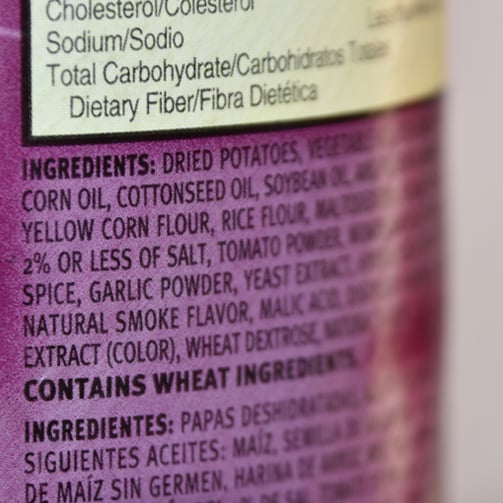
Sodexo RDNs work diligently to prevent errors such as accidental exposure to food allergens. The top nine food allergens are required on packaging per labeling laws. However, allergies to herbs, spices and less commonly recognized foods are increasingly being identified as risks to patients.2 One challenge for RDNs is ambiguous ingredient labeling. Manufacturers may change formulations or use vague terms like “natural ingredients,” which can conceal allergens such as:

  • Pepper
  • Cayenne
  • Cinnamon
  • Thyme
  • Onion
  • Chili peppers
  • Coriander
  • Carrots
  • Garlic
  • Nutmeg
  • Rosemary
  • Celery

Sodexo Food and Nutrition teams scrutinize ingredient lists and stay informed about supplier changes to ensure patient safety is never compromised.

The Overlooked Risk of Malnutrition in Patients with Food Allergies  

When patients navigate food allergies without the support of an RDN, the risk of malnutrition can quietly escalate. Research shows that individuals with food allergies may consume only 75% of their calorie and protein needs, often because they are unsure which options are safe or feel anxious about accidental exposure.3 That gap in intake isn’t just a nutrition issue, it’s a patient safety concern. RDNs play a critical role in bridging this divide through medical nutrition therapy, ensuring patients receive meals that are both safe and nutritionally adequate, reducing the likelihood of under‑consumption and the complications that follow.

  • Circular arrows surrounding two gears with a checkmark symbol in the center.

    Automated Diet Order & Menu Protocols 

    RDNs design and validate automated diet order systems and menu management workflows to reduce errors and ensure therapeutic accuracy. 

  • Clipboard checklist icon beside a weight scale.

    Nutrition Screening

    RDNs evaluate and refine screening tools to ensure timely identification of malnutrition risk, aligning with evidence-based standards and regulatory requirements. 

  • Icon of a browser window displaying a bar chart with an overlaid line graph.

    Nutrition Informatics Expertise

    At Sodexo, RDN nutrition IT specialists collaborate with informatics and clinical teams to optimize data capture, reporting and decision support tools related to nutrition care. 

  • Icon of a laptop displaying a medical document with a heart and heartbeat line.

    Leveraging Technology

    RDNs develop and maintain nutrition documentation and protocols within electronic health records, flagging risks, promoting consistency, visibility and interdisciplinary communication. 

  • Icon of a figure standing at a podium in front of a large presentation screen.

    Staff Training & Education

    RDNs lead training initiatives that reinforce nutrition’s role in patient safety, including protocols for food allergies, dysphagia and safe feeding practices. 

These strategies not only reduce harm but also improve operational efficiency and regulatory compliance. By embedding nutrition into patient safety infrastructure, RDNs help prevent adverse events, improve clinical outcomes and elevate the standard of care across healthcare systems.

While food may bring comfort, it also carries risk. Nutrition must be treated as a core component of patient safety. Clinicia invests in strong clinical nutrition protocols and empowers RDNs to protect patients, improve outcomes and uphold the highest standards of care for healthcare organizations.

Close the nutrition gap in your safety plan

Clinicia™ supports hospitals with evidence-based nutrition practices, technology-enabled workflows and training that protect patients and elevate care quality.

Get started with Clinicia

Read our Latest Stories

  • Healthcare

    Building Better Outcomes in Clinical Nutrition: The National Team Powering Dietitians at Scale

    Two dietitians sit at a table reviewing research notes, with one holding a tablet and data displayed on a screen behind them.
  • Healthcare

    Redefining Cancer Nutrition Care Through Culinary Innovation

    Grilled fish topped with green herb sauce served with seasoned vegetable rice on a white plate.
  • Healthcare

    Breaking Barriers in Nutrition Care: How a Dietitian Transformed Referrals and Patient Outcomes

    A clinician using a tablet to review patient information.
  • Healthcare

    Beyond the Prescription: How Registered Dietitians Guide Patients in the GLP-1 Era

    Registered dietitian and patient reviewing a nutrition plan together on a tablet.

Sources: 

  1. Cass AR, Charlton KE. Prevalence of hospital-acquired malnutrition and modifiable determinants of nutritional deterioration during inpatient admissions: A systematic review of the evidence. J Hum Nutr Diet. 2022;35(6):1043-1058. doi:10.1111/jhn.13009 
  2. Can Spices Cause Allergic Reactions? American Academy of Allergy, Asthma & Immunology (AAAAI). Published September 12, 2024. Accessed January 3, 2026. https://www.aaaai.org/tools-for-the-public/conditions-library/allergies/can-spices-cause-allergic-reactions 
  3. Rattray M, Desbrow B, Roberts S. Comparing nutritional requirements, provision and intakes among patients prescribed therapeutic diets in hospital: An observational study. Nutrition. 2017;39-40:50-56. doi:10.1016/j.nut.2017.03.006