Healthcare
Sodexo Healthcare: Putting safety first

 Every meaningful sustainability initiative starts with a question: how can we do better?
Sodexo provides both Food and Nutrition Services and Environmental Services across the ECU Health system. Teams in both areas are contributing to sustainability goals through everyday operational practices.
In Food and Nutrition Services, the focus includes reducing food waste, supporting healthier eating habits and sourcing ingredients more responsibly.
One key tool is WasteWatch, Sodexo’s proprietary system for tracking and reducing food waste. By measuring what is discarded in kitchens, teams can identify patterns and adjust purchasing, preparation and menus to minimize waste.
Healthier choices can also mean good news for the planet. Plant-forward menus, including plant-based protein options for patients, help lower the environmental impact of meals while supporting nutritional goals.
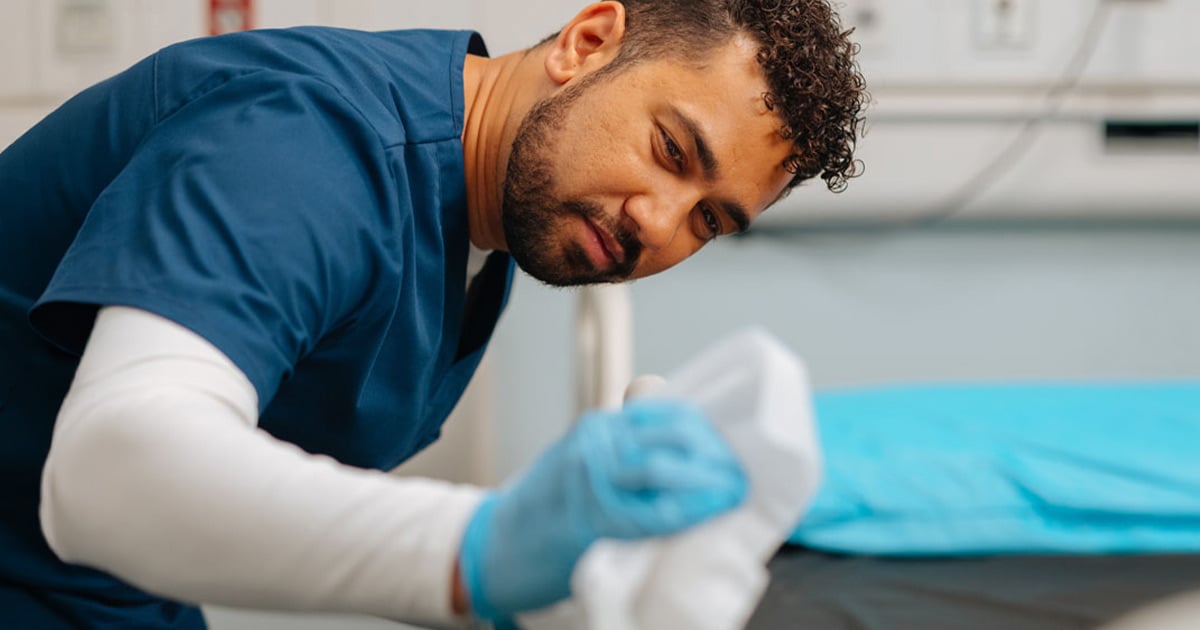
Environmental Services teams are equally focused on sustainability. Through Protecta, teams prioritize responsible cleaning practices such as neutral cleaning agents, chemical-free floor stripping and environmentally conscious floor maintenance methods.
Recently, Environmental Services leaders also spearheaded the revival of a system-wide recycling program. By working with stakeholders across the health system, the team helped restore recycling at multiple locations, reducing landfill waste.
While these programs were already creating progress, the next big sustainability milestone for ECU Health emerged during an industry conference.
In May 2025, ECU Health leaders and the Sodexo Food and Nutrition Client Executive, Duane Powell, attended the CleanMed Conference in Atlanta, where healthcare organizations from across the country share ideas about sustainable operations.
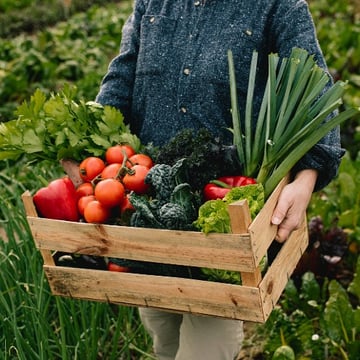
One concept stood out: hospitals partnering directly with local farmers to bring fresh, seasonal produce to patients and staff.
The idea resonated immediately. Supporting local agriculture while providing fresh food aligns closely with the missions of both ECU Health and Sodexo. It also reduces transportation emissions and strengthens regional food systems.
But turning that idea into reality required overcoming a challenge that many healthcare systems face: food safety certification requirements.
For years, leaders at ECU Health hoped to source produce from local farms. One farmer in particular, Reverend Richard Joyner of Conetoe Family Farm, had long been interested in supplying the health system.
Reverend Joyner is widely recognized in eastern North Carolina for his work connecting farming, community health and food access. His farm has become a model for how agriculture can support healthier communities. Yet despite strong interest from both sides, bringing local produce into a hospital system proved difficult. Like many healthcare organizations, ECU Health must meet rigorous food safety standards when sourcing ingredients, including Good Agricultural Practices Certification.
This is where the power of Sodexo’s supply chain expertise came into play.
Recognizing the opportunity to connect local farmers with healthcare foodservice operations, Sodexo supply chain leaders worked to identify a solution that would both support regional agriculture and maintain the strict safety and quality standards.
Sodexo’s supply chain experts effectively created a bridge by connecting local farms to the healthcare system in a way that is both scalable and compliant. What had once been a challenging barrier quickly became a new pathway for sourcing fresh, local produce.
Once the supply chain framework was in place, the opportunity expanded rapidly.
Rather than sourcing from a single farm, Sodexo’s supply chain team helped develop a broader model that could support multiple growers across eastern North Carolina. Working alongside ECU Health leaders and local producers, they began building a regional network capable of supplying seasonal fruits and vegetables across the system.
Today, ECU Health has partnerships with five local farms, creating a growing pipeline of fresh produce that can be delivered to the health system’s nine hospitals.
The benefits extend far beyond the supply chain itself. These partnerships enable:
By applying supply chain innovation to a sustainability goal, Sodexo helped transform a long-standing aspiration into a system-wide reality.
This model not only delivers fresher food to patients, visitors and caregivers, but also supports the farmers and communities that surround the hospitals they serve.
After years of trying to establish farm partnerships, the collaboration between ECU Health and Sodexo made the vision possible. The initiative demonstrates how sustainability progress often happens through partnership — between healthcare providers, service teams, supply chain experts and community organizations.
It also highlights how sustainability initiatives can grow organically. What started as discussions about food waste reduction and green cleaning practices has expanded into a broader effort to support local agriculture, reduce environmental impact and promote healthier communities.
At ECU Health, those steps are now reaching from hospital kitchens all the way to the fields of eastern North Carolina.
Learn how collaborative, system-wide approaches can help healthcare organizations meet sustainability goals while supporting patients, communities and care teams.