Healthcare
Sodexo Healthcare: Putting safety first

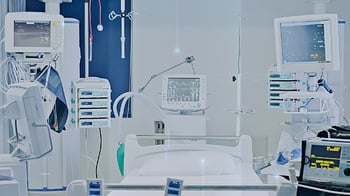 Healthcare organizations today operate in one of the most complex digital environments of any industry. Modern hospitals depend on thousands of connected medical devices, all of which play a critical role in delivering safe, effective care. As these devices become increasingly connected, they also become potential entry points for cyber threats.
For healthcare leaders, medical device cybersecurity is no longer just an IT concern — it is a patient safety priority. Cyberattacks can disrupt operations, compromise sensitive data and most importantly, interfere with patient care.
Research underscores the urgency. In one survey of nearly 600 healthcare IT and security professionals, 61% reported they were not confident in their ability to mitigate ransomware risks1, highlighting the growing concern around cybersecurity in care environments.
Healthcare Technology Management (HTM) teams are uniquely positioned to help address this challenge. By embedding cybersecurity into device management and infrastructure, healthcare organizations can reduce vulnerabilities and create a safer digital environment for both patients and clinicians.
Effective cybersecurity in healthcare starts with baseline security measures built directly into systems and operational processes, which create the first layer of protection against threats.
These fundamentals include practices such as device cyber hygiene, vendor security management, cybersecurity training for HTM teams and consistent data collection around device performance and vulnerabilities.
These baseline measures provide visibility into the technology ecosystem and help organizations understand where potential risks may exist. Just as importantly, they establish standardized processes that ensure cybersecurity is not an afterthought but an integral part of equipment lifecycle management.
By aligning these foundational practices with established frameworks such as the National Institute of Standards and Technology (NIST) Cybersecurity Framework, healthcare organizations can ensure their security programs follow recognized best practices while remaining flexible enough to adapt to evolving threats.
Once foundational controls are in place, the next step is device hardening: implementing technical safeguards that reduce vulnerabilities and protect medical devices from exploitation.
Medical devices often run specialized operating systems and legacy software that can present unique security challenges. Hardening strategies help address these risks by tightening configurations and limiting potential attack vectors.
Key hardening measures may include:
These protective measures significantly reduce the likelihood that attackers can access or manipulate critical medical technology. At the same time, they ensure that devices remain available and reliable for clinical teams who depend on them every day.
Cybersecurity becomes most effective when it is integrated across the entire hospital technology ecosystem. Rather than treating device security as a standalone function, leading organizations combine HTM expertise with IT and information security capabilities to create a coordinated approach.
Integrated technical solutions can bring together multiple layers of protection and operational intelligence, including:
When these systems work together, they provide a comprehensive view of device performance, security posture and operational risk. This level of visibility allows healthcare organizations to proactively identify vulnerabilities, prioritize remediation efforts and strengthen resilience against cyber threats.
Cybersecurity in healthcare is not a one-time initiative — it is an ongoing process of assessment, alignment and continuous improvement. Organizations must evaluate their current capabilities, develop a roadmap for strengthening defenses and continuously monitor their technology environment as new devices and threats emerge.
With decades of experience in Healthcare Technology Management and a nationwide footprint supporting hundreds of healthcare clients, Sodexo helps organizations operationalize cybersecurity across their clinical technology environments. By combining deep HTM expertise with advanced technical solutions, Sodexo enables healthcare systems to reduce risk while ensuring the technology clinicians rely on remains secure, reliable and ready to support patient care.
In an era where cyber threats are constantly evolving, protecting connected medical devices is essential. With the right strategy, strong baseline protections and integrated security technologies, healthcare organizations can safeguard their digital infrastructure — and ultimately, the patients who depend on it.



Source: