of a hospital’s mobile assets (estimated) go missing each year, at an average cost of $3,000 per unit.1 These medical devices are “lost” in the system, locked in closets, misplaced between departments, or awaiting repair. RTLS solves these inefficiencies through continuous visibility.
Why Medical Device Cybersecurity and RTLS Are Essential to the Future of Healthcare Operations
Modern healthcare relies on an intricate ecosystem of connected technologies, smart pumps, patient monitors, imaging systems, and networked medical devices that all share data in real time. While this connectivity enhances care delivery, it also introduces new operational and cybersecurity challenges.
Two solutions are rapidly becoming cornerstones of a modern, high-performing hospital: medical device cybersecurity and Real-Time Location Systems (RTLS). Together, they strengthen patient safety, improve operational visibility, and drive measurable value across clinical, financial, and compliance domains.
The Expanding Threat Landscape: Why Medical Device Cybersecurity Matters
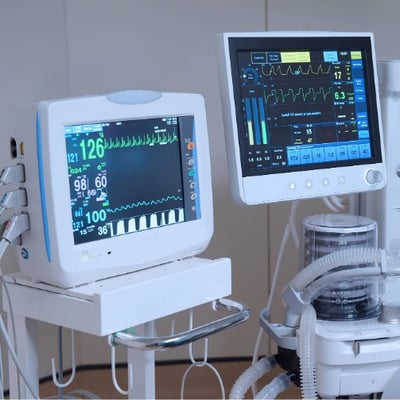
Healthcare systems manage tens of thousands of connected medical devices. Each device, if not properly secured, can become a potential entry point for cyberattacks. Many of these devices run on legacy operating systems, lack regular patching, or are connected to shared hospital networks without sufficient segmentation. Meanwhile, cyberattacks are becoming more sophisticated, targeting life-critical systems such as imaging suites, ventilators, and infusion pumps.
The Value of Medical Device Cybersecurity
A comprehensive cybersecurity program does more than protect data — it protects lives and operational continuity.
Key benefits include:
- Enhanced Patient Safety: Proactive monitoring and device hardening prevent malicious interference with life-support or diagnostic equipment.
- Operational Continuity: Robust network segmentation and vulnerability management minimize the impact of ransomware or breaches.
- Regulatory Confidence: Compliance with FDA pre- and post-market cybersecurity guidance, NIST standards, and HIPAA safeguards builds trust with regulators and patients alike.
- Lifecycle Cost Savings: Identifying obsolete or vulnerable assets enables better capital planning and prioritization for replacement.
When cybersecurity is embedded into the Healthcare Technology Management (HTM) program, hospitals gain not only protection, but predictability, reliability, and trust in every connected system.
Real-Time Location Systems: Turning Visibility into Value
While cybersecurity secures your network, RTLS unlocks the operational value within it. RTLS uses sensors and wireless tags to track the location, status, and utilization of assets, staff, and patients throughout the hospital.
How RTLS Drives Value
- Reduce Equipment Search Time: Nurses can spend as much as one week per month hunting down equipment and supplies.2 With RTLS, staff can instantly locate needed devices, eliminating wasted time and improving clinical response.
- Optimize Asset Utilization: Usage data helps reduce excess inventory and unnecessary capital purchases.
- Support Compliance and Infection Control: Tracking equipment movement ensures devices are cleaned and maintained before reuse.
- Integrate with HTM and CMMS Systems: Linking RTLS data to maintenance systems automates service scheduling, ensuring devices are available and compliant.
The result is a safer, more efficient care environment where assets are always ready, workflows are predictable, and staff can focus more time on patient care.
When Cybersecurity and RTLS Work Together
The intersection of RTLS and cybersecurity represents the next evolution in connected hospital intelligence. RTLS data provides physical visibility, while cybersecurity provides digital protection. Integrated together, they enable hospitals to:
- Identify and isolate vulnerable devices quickly if a security alert is triggered.
- Trace device movement and connection points during forensic investigations.
- Combine utilization and risk data for smarter replacement planning.
- Support a “zero-trust” infrastructure across clinical and technical networks.
This synergy creates a closed-loop system where safety, efficiency, and accountability coexist, empowering hospitals to deliver high-quality care with confidence.
Building a Foundation for the Future of Connected Care
As hospitals continue to expand digital infrastructure, from remote monitoring to AI-enabled diagnostics, the need for secure, visible, and intelligent device management will only grow. Cybersecurity and RTLS provide that foundation.
 For hospitals, the return on investment is clear:
- Reduced equipment loss and capital overspend.
- Lower cybersecurity risk and downtime costs.
- Improved compliance with federal and state regulations.
- Stronger patient trust and organizational reputation.
- A resilient, data-driven foundation for future technologies.
Ultimately, these are not just IT or HTM initiatives — they are strategic enablers of clinical excellence. They help hospitals operate smarter, safer, and more sustainably, ensuring every device, every network connection, and every workflow contributes to the same mission: delivering the best possible care to every patient, every day.
Ready to strengthen your hospital’s technology ecosystem?
Our team helps healthcare organizations integrate cybersecurity, RTLS, and HTM strategies to create a safer, more connected, and more efficient care environment.
References:
- Adrian Jennings, “Hidden costs of missing medical equipment,” Chief Healthcare Executive, Aug. 28, 2023, https://www.chiefhealthcareexecutive.com/view/hidden-costs-of-missing-medical-equipment-viewpoint
- “MGM Solutions: 6,000 hours per month wasted on nurses finding lost equipment,” Healthcare Facilities Today, Feb. 13, 2018, https://www.healthcarefacilitiestoday.com/posts/MGM-Solutions-6000-Hours-Per-Month-Wasted-on-Nurses-Finding-Lost-Equipment--17611