Healthcare
Sodexo Healthcare: Putting safety first

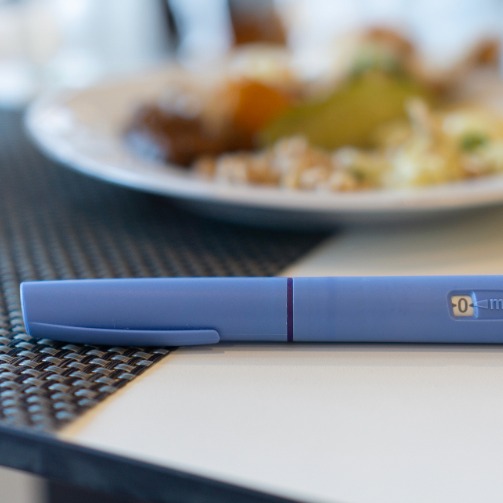 Incretin-based therapies (collectively referred to as “GLP-1s”), have rapidly become foundational therapies for type 2 diabetes and obesity.1,2 They also are approved for cardiometabolic risk reduction and obstructive sleep apnea in patients with overweight or obesity.3,4 Researchers are finding potential in GLP-1s for treating chronic kidney disease, metabolic-associated steatotic liver disease (MASLD), substance use disorders, neurological conditions and other medical issues.5 As use increases, hospitals are caring for a growing number of patients who have taken these medications.
What is equally important is the impact GLP-1 therapies may have on nutrition intake, recovery, foodservice operations and outcomes during hospitalization. This is why nutrition intervention led by Registered Dietitian Nutritionists (RDNs) is becoming essential to high-quality, cost-effective care.6,7 Clinicia, Sodexo's clinical and patient nutrition brand, is centered on equipping RDNs to address these challenges with specialized expertise.
GLP-1 medications work by reducing appetite and eating impulses and slowing gastric emptying. During acute illness, these effects are of concern at precisely the time patients need adequate energy and protein to heal.
Reductions in intake, before and during hospitalization, may contribute to the following issues.8-12
A common misconception is that intentional weight loss does not come with nutritional risk. In reality, malnutrition and sarcopenia can be evident even in patients with higher body weight and may become exacerbated during acute illness.13,14
Consistent nutrition screening and assessment are important, regardless of treatment intent or recent weight changes. Early identification of nutrition risk by RDNs allows teams to implement strategies for successful patient outcomes.
Gastrointestinal effects associated with GLP-1s (early satiety, nausea, constipation, diarrhea and reduced hunger) are common but often transient. When anticipated, they can be managed effectively.7,15
Operationally, this requires coordination across clinical nutrition, nursing, pharmacy and food service to ensure:
When these needs are not anticipated, hospitals are more likely to see poor intake and delayed recovery.
Many GLP-1 medications have long half-lives. Even when held due to procedures or acute illness, appetite suppression and GI effects may persist.16 Nutrition risk does not resolve simply because the medication is paused.
For patients identified as at nutrition risk and followed by the RDN, this underscores the importance of anticipatory nutrition planning, rather than reactive intervention after intake has declined.
Hospitalization represents a key opportunity to connect patients on GLP-1 medications to ongoing outpatient nutrition care. Post discharge support helps patients maintain nutrition adequacy, preserve lean mass and translate medication-assisted weight loss into durable health benefits.6,7
As clinical teams look beyond the prescription to guide patients in the GLP-1 era, health systems that incorporate outpatient RDN referrals into discharge workflows strengthen continuity of care and reduce downstream risk.
GLP-1 medications are now mainstream. RDNs are uniquely positioned to address any inpatient implications of the medications. Health systems that integrate nutrition intentionally into care delivery are better positioned to manage complexity, reduce avoidable risk and support recovery.
This creates an opportunity to:
Organizations with proactive nutrition support are more likely to deliver consistent, high-quality care in an increasingly complex clinical landscape.
Discover how Clinicia equips RDNs with specialized expertise to help manage medication-related nutrition risks and support safer hospital outcomes.