Healthcare
Hospital Cleaning Products: Sustainable EVS Guide

A: Emergency conditions create immediate strain on standard infection control. Hospitals often deal with personal protective equipment (PPE) shortages, staff fatigue, supply chain disruptions, space constraints and a sharp increase in cleaning demand. These pressures can lead to inconsistent protocols, missed high-touch surfaces, rushed disinfectant contact times and higher risk of cross-contamination.
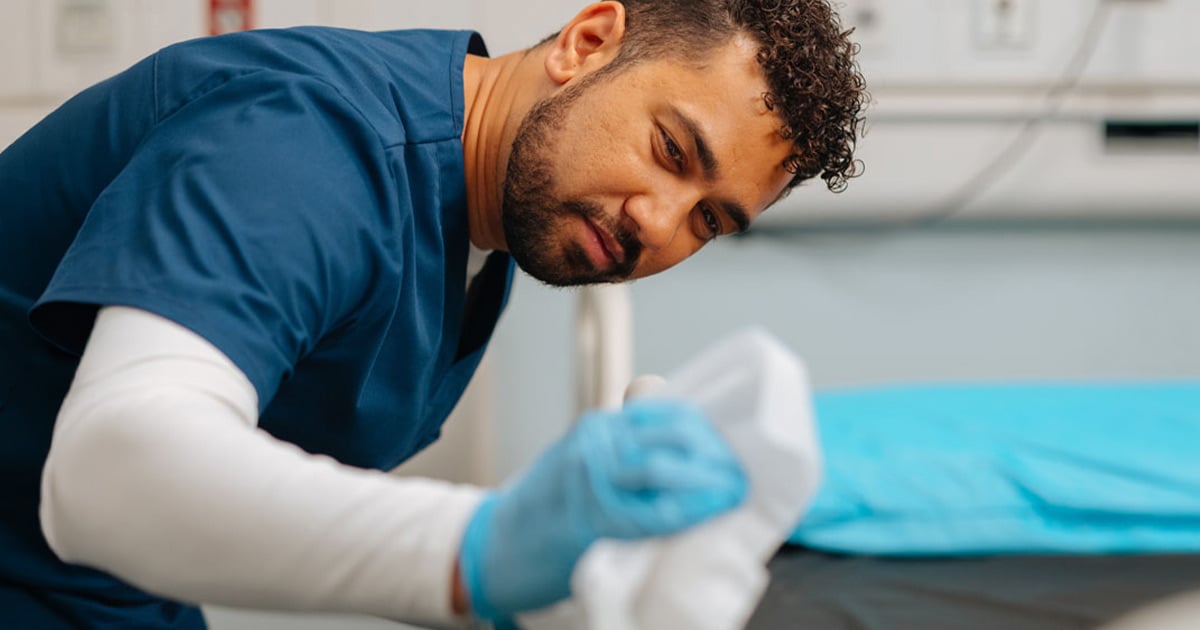
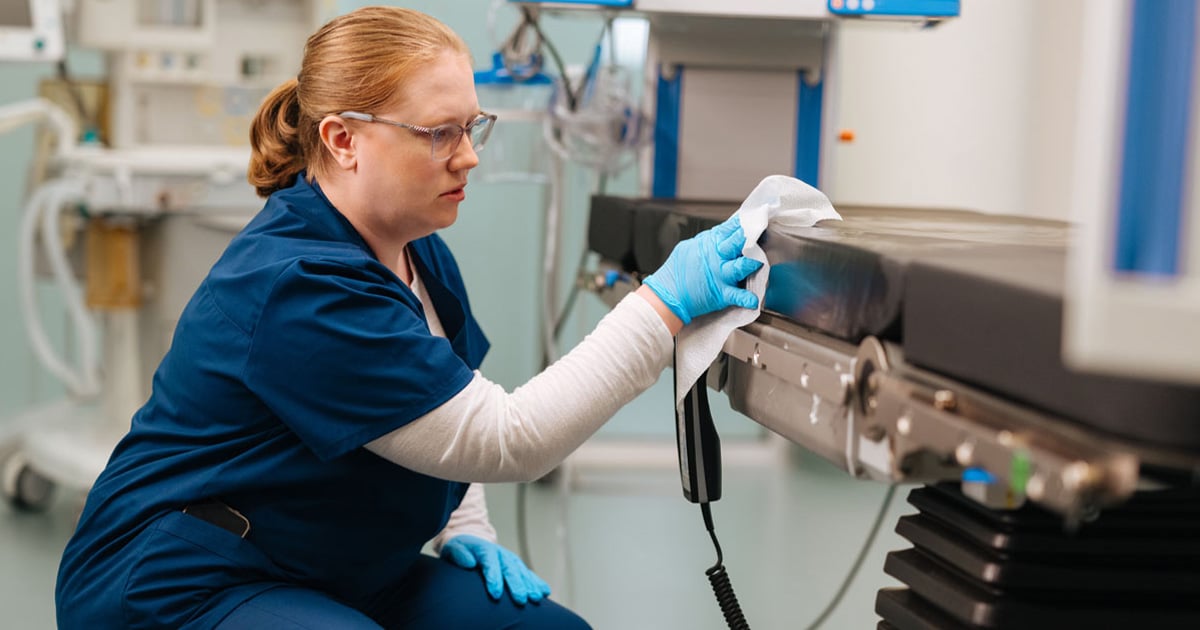
A: EVS teams are the frontline defense in controlling the healthcare environment. While clinical staff focus on patient care, EVS teams reduce transmission risk by disinfecting high-touch surfaces, managing clean and contaminated zones, handling infectious waste safely and completing detailed terminal cleans. They also help identify and address infection risks in real time.
A: Protocols shift from routine cleaning to a focused biocontainment approach. That can include assigning dedicated staff to quarantine units, increasing cleaning frequency, keeping supplies within containment zones, and using enhanced technologies when appropriate. Clear separation of hot, warm and cold zones becomes critical to prevent spread.
A: Common gaps include failing to follow proper disinfectant contact times, not increasing cleaning frequency as planned, overlooking shared and high-touch surfaces, breakdowns in communication with clinical teams, improper PPE use and unintended cross-contamination between areas.
A: A risk-based approach is essential. Priority should go to isolation rooms, emergency department and triage areas, public restrooms near entrances, shared clinical workstations and terminal cleans. Secondary focus includes non-isolation patient rooms and clinical corridors. Lower-risk areas like administrative offices and deep floor maintenance may be temporarily reduced to free up resources.
A: PPE compliance is critical, especially during removal, so a buddy system or observer helps reduce exposure risk. Teams should rely on wet cleaning methods to prevent pathogens from becoming airborne and ensure waste is contained and removed safely. Coordination with engineering is also important to allow proper air exchange before entering rooms for terminal cleaning.
A: It is essential. Infection prevention sets the strategy; nursing manages care, and EVS controls the environment. Effective teams use real-time communication, joint rounding and shared prioritization to ensure rooms are cleaned safely and efficiently. EVS staff should also feel empowered to speak up if they identify risks.
A: Preparation should include hands-on PPE training, understanding of transmission types, knowledge of disinfectants and contact times and practice with quarantine workflows. Cross-functional drills with nursing and infection prevention help teams build confidence and respond quickly under pressure.
A: Hospitals often rely on EPA-registered disinfectants tailored to the pathogen, including bleach-based or sporicidal products when needed. Accelerated hydrogen peroxide can be useful for faster kill times. Validation tools like fluorescent markers help confirm cleaning effectiveness when visual checks are not enough.
A: Position EVS as a core clinical partner before a crisis begins. Involve the team in emergency planning, align training with hospital infection prevention standards and build a culture where EVS staff are confident and empowered to protect patients and colleagues.
A: Sodexo is an experienced EVS partner that brings structure, scale and infection prevention expertise when hospitals are under the most pressure. During a crisis, Sodexo teams can quickly shift from routine services to a biocontainment-focused approach, deploying trained staff, standardized protocols, and the right disinfectants and technologies to reduce transmission risk and maintain safe patient throughput.
Beyond execution, Sodexo also improves coordination across departments. By aligning closely with nursing, infection prevention and supply chain teams, we can help prioritize high-risk areas, manage PPE and cleaning supply usage, support faster room turnover without compromising safety, and ensure protocols are followed consistently, even during surges. Just as important, we bring ongoing training, validation tools and operational discipline that help hospitals sustain performance when conditions are unpredictable, and resources are stretched.
The strongest infection prevention programs aren't built during an emergency — they're built every day. Our comprehensive white paper explores how risk-based protocols, standardized processes, training and performance validation can help reduce healthcare-associated infections and strengthen your organization's readiness for whatever comes next.
Beyond crisis management, consistent infection prevention practices are what keeps patients and staff safe. Learn how Sodexo’s Protecta® program brings a dedicated, highly trained EVS workforce and performance-driven solutions straight to your facility.