Seniors
The five things every great dish needs

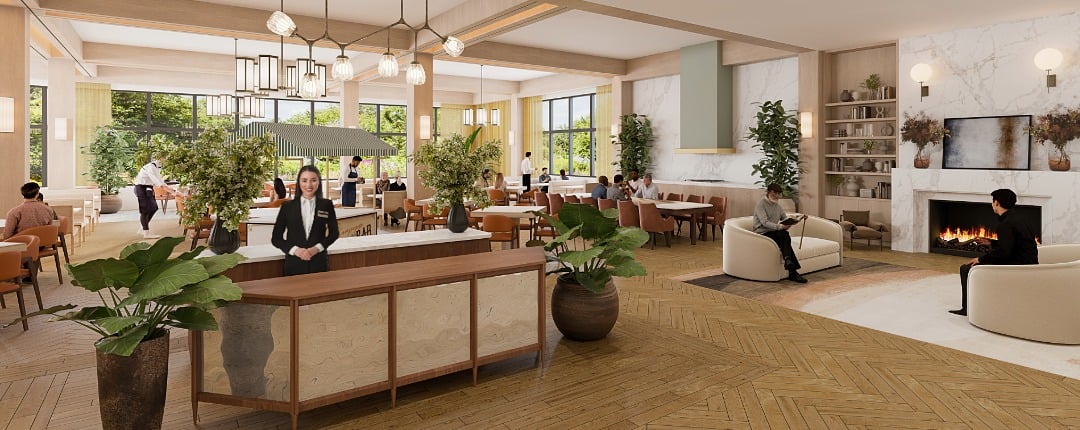
Close your eyes and think about the last dining experience you truly enjoyed. Do you see it? Chances are, it was not just the food that made it memorable. The room, the light, the layout and the overall feel all played a role.
All senior living executives want their community to be known as the best in the area. Dining is often the first impression for touring residents and families. If the food is good, you’ve made a great start. But it’s also important to think about whether residents want to come to the dining room, how long they stay, who they connect with and how they feel while they’re there. And design plays an important role in all of it.
The ambiance of a dining room is determined by factors such as lighting, noise levels, layout and furniture selection, all of which play a significant role in influencing both mood and comfort. When done poorly, participation rates drop, but research also suggests these environmental factors can lead to stress, anxiety and even depressive symptoms, especially in communal settings.
This matters even more when you consider the physical reality many senior living communities are working within. Industry research from NIC and ASHA suggests that a large share of U.S. CCRCs was developed in the 1990s and early 2000s, which means many dining spaces today are 25 to 35 years old. That doesn’t make them inadequate, but it does mean they were designed for a different era, different expectations and a different resident profile.
The difference between a bright, calm, easy-to-navigate dining room and one that feels dim, loud or visually cluttered is immediately apparent. One draws people in, encourages families to dine on site and encourages them to linger. The other can quietly discourage participation before the first bite is taken. As changemakers in the industry, collectively, we can do better.
Natural light, softer acoustics, thoughtful layouts and a sense of visual calm help residents feel at ease. And when people feel comfortable, they’re more likely to engage socially, linger longer and build routines around dining that support both mental and emotional well-being. It makes sense: when it’s easier to see your food, hear your tablemates and feel comfortable, you’re more likely to relax and enjoy the meal.
The most successful dining environments avoid institutional cues and unnecessary formality, favoring spaces that feel modern, balanced, welcoming and lived-in. They feel like places people choose to be, and this is exactly the thinking behind programs like Sodexo’s Joyous.
Sodexo has both in-house expertise and strong partnerships to make an objective evaluation with our clients, and together plan and create spaces that feel familiar, intuitive and more like home. Whether it’s a total remodel or a few fundamental tweaks, we can scale to meet varying budgets and any community’s needs.