75%
75%
of residents recommend the experience
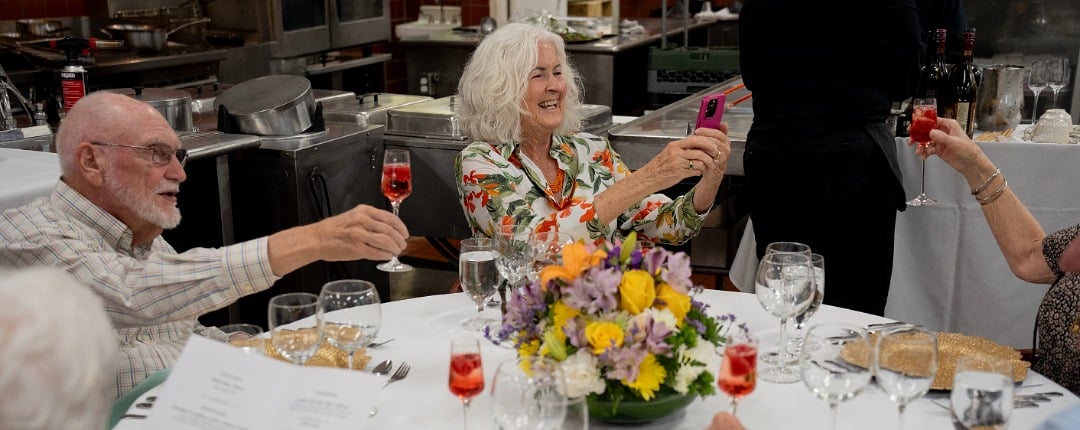
Dining has always been central to life in senior living communities. But today, it is becoming much more than a daily service. For many operators, dining is emerging as a strategic driver of resident satisfaction, social connection and community differentiation.
As resident expectations evolve, senior living leaders face a common challenge: how do you modernize the dining experience without disrupting the routines and traditions residents value most?
Recent dining transformations across multiple senior living communities offer valuable insight into what successful change looks like and why experience-led dining is becoming a best practice across the industry.
In senior living communities, dining is more than a service. It’s routine, comfort and connection. Any change — menus, formats or service styles — can create uncertainty for residents who value familiarity and consistency.
Operators face a difficult balance:
The risk is clear: without the right approach, even well-intended changes can be met with resistance.
Today’s residents and prospective residents are bringing new expectations into senior living. At the same time, operators need solutions that are operationally consistent, financially transparent and scalable across different community types.


As expectations evolve, leading senior living organizations are moving toward dining models that combine:
The shift is clear: dining is becoming a central lever for both resident satisfaction and business performance.
The takeaway from these launches reflects a broader shift in how dining can function in senior living:
For communities evaluating how to evolve dining without disrupting resident trust, the question isn’t whether to change, but how to implement change in a way that builds confidence.
With a model that combines programming, training and measurable feedback loops, communities can create that balance while delivering outcomes that residents can see, feel and share.
Joyous offers a proven approach to evolving dining experiences while preserving the trust, traditions and connections residents value most.