Seniors
Cognitive wellness for every resident

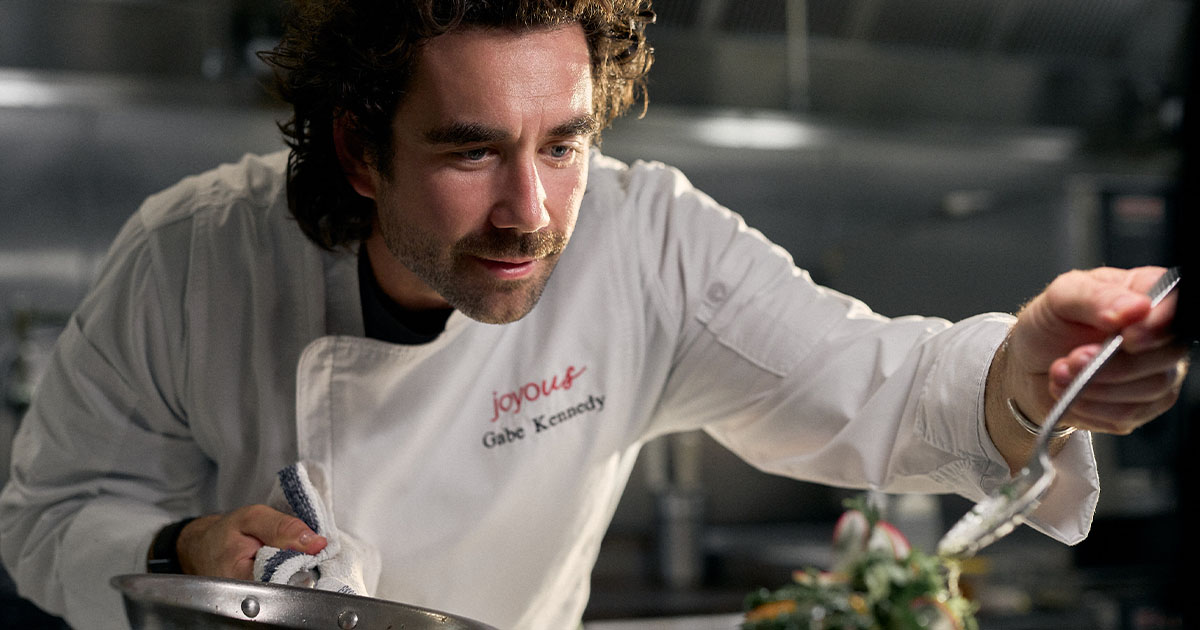
People often ask me what makes a recipe truly successful. Is it technique? Creativity? Expensive ingredients?
The truth is that great cooking rarely comes down to any one thing. Whether I'm developing a new dish for a restaurant, cooking at home or creating recipes for Joyous, I find myself coming back to the same five elements that help turn good food into memorable food: salt, acid, fat, texture and heat.
Think of them as the building blocks of flavor.
Salt is the foundation. It's not about making food taste salty. It's about helping ingredients taste more like themselves. A tomato tastes more like a tomato. A roasted carrot becomes sweeter and more vibrant. Salt wakes food up. And salinity doesn’t have to just come from salt. Ingredients like miso, shoyu, and other fermented or preserved condiments contribute both seasoning and layers of complexity.
Acid brings balance, brightness and wakes things up. A squeeze of lemon, a splash of vinegar or a spoonful of yogurt can completely transform a dish. Acid cuts through richness of fat and gives food a vibrant freshness. It's often the difference between a dish that tastes flat and one that feels alive.
Fat adds satisfaction. I like to focus on healthy fats such as olive oil, avocado, nuts, cheese and butter. Fat carries flavor and creates the richness that makes people want another bite. It is good for the body, the brain and the dish itself. Fat provides a sense of comfort and satiety that is just as important as flavor itself.
Texture is the element many people overlook. We experience food with more than our taste buds. A creamy soup becomes more interesting with crunchy seeds. A crisp vegetable can bring contrast to a tender piece of fish. Texture creates excitement and keeps every bite engaging.
And finally, heat. Heat is both temperature and spice, and playing with these elements makes for a dynamic and exciting culinary experience. It can come from raw garlic or onion just as much as it can from chili pepper. The contrast between hot and cold, or sweet and spicy, creates a memorable bite.
So when a dish feels like it's missing something, I run through this simple checklist. Does it need more brightness? More crunch? More savory depth? More richness? More seasoning? The answer is usually there.
 These five elements are ideas I think about in my own cooking and are also central to the philosophy behind the recipes we create for Joyous. When I'm developing a limited-time offer recipe for the program, I'm always looking for the right balance of brightness, richness, texture, seasoning and heat. The same thinking carries through the broader Joyous menu, where Sodexo culinarians work every day to create meals that are as enjoyable and engaging as they are nourishing.
What I love about the Joyous approach is that we don't treat flavor and dining experience as extras. They're built into the recipe development process from the start. Whether it's adding a touch of crunch for contrast, using acid to brighten flavors or incorporating just enough heat to spark curiosity, our goal is always the same: to create meals people genuinely look forward to eating and sharing.
And at the end of the day, that's what we're trying to do with Joyous. When salt, acid, fat, texture and heat come together in the right way, a meal becomes more than something on a plate. It becomes a culinary experience seniors remember and look forward to having again.

Food has the power to nourish, connect and create moments worth sharing. Discover Joyous and a new approach to senior dining designed to make every meal something to savor and look forward to.