Loading component...
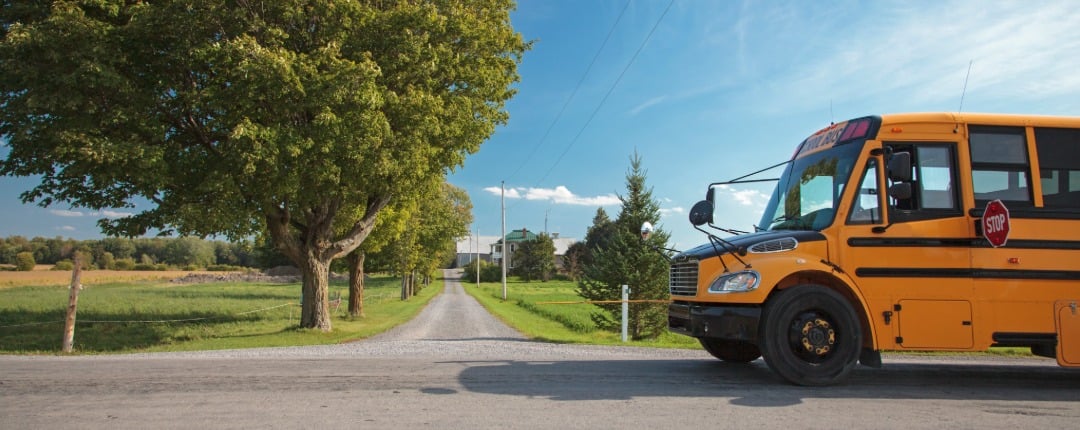
Meal delivery via school buses
allowing access to neighborhoods that vans could not efficiently reach
Strategic bus routes
beginning near schools and expanding outward into rural communities
Multiple daily stops
with a minimum of five stops per bus
Flexible meal distribution schedule
Hot meals served earlier in the week, paired with multi-pack meals later in the week
Thursday multi-pack distributions
providing breakfast and lunch for the following day to account for district closures on Fridays





The Results: A model that continues to grow
This sustained growth reflects the program’s ability to reach children who previously had no practical way to access summer meals, particularly those living in the most rural parts of the county.
Perhaps most telling is the program’s momentum. Board members representing even more remote areas have since approached the district with new opportunities to expand service. This provides clear evidence that the model is working and that community trust is growing.
total summer meals served in 2023
total summer meals served in 2024 (118.7% increase year over year)
total summer meals served in 2025 (30.5% increase year over year)
Looking ahead: Continuing to meet students where they are
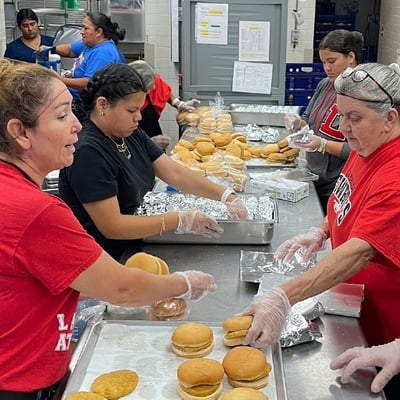 With strong cross-department collaboration, proven logistics and growing community demand, Hendry County’s summer feeding program is positioned for continued expansion in the coming years.
By reimagining how existing resources, like school buses and drivers, can be used beyond their traditional roles, the district has created a scalable, student-centered solution that helps fight food insecurity and ensures more children have reliable access to meals when school is out.
The takeaway: Innovation doesn’t always require new resources. Sometimes it just requires a new way of thinking about the ones you already have.
Meeting students where they are starts with reimagining what's possible.
By leveraging existing resources in new ways, Hendry County expanded access to nutritious meals for students who needed them most. Their success shows that innovative solutions to food insecurity can begin with the assets already in your community.
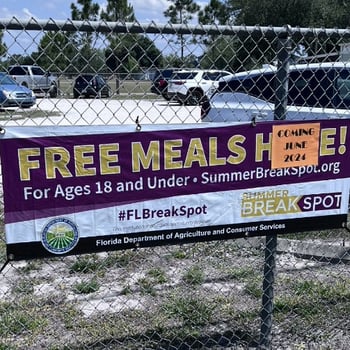 Hendry County is one of Florida’s rural school districts, serving approximately 7,500 students across a wide geographic area. The district operates out of two towns, LaBelle and Clewiston, located nearly 30 miles apart. During the summer months, this distance created a significant barrier to access, limiting the district’s ability to reach children who rely on school meals during the academic year.