Campus
Higher education facilities management: The view from both sides of the table


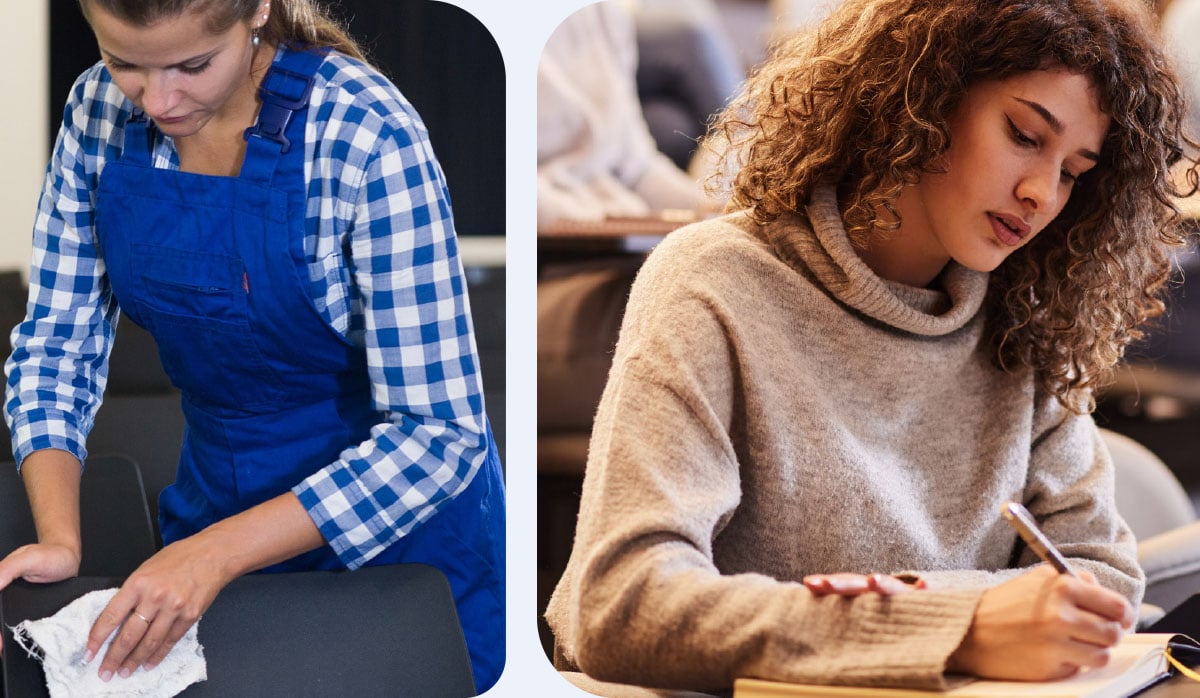
Today’s college student is balancing academics, jobs, friendships, finances and their mental health…many of them, for the first time in their lives. Then I consider the constant pressure they’re under to juggle all of that and figure out what comes next in a world that is increasingly complex and ambiguous. It’s overwhelming just to think about!
It’s obvious why they need quick access to accurate, trust-worthy information that matches their fast-paced lifestyle. And it makes sense that social media has become much more than entertainment for this generation of students. It’s fast, convenient and (perhaps most importantly) it’s where they’re already living. It’s where they feel comfortable getting information, building community, seeking support and making decisions about their daily lives.
College can feel overwhelming, especially for students trying to find belonging in a large and fast-moving environment. Social media helps bridge that gap. It gives students a way to ask questions they might not ask in person. It creates space for smaller communities to be recognized. It helps students feel like their campus is listening to them, not just speaking to them.
From finding out what’s happening on campus to deciding where to eat and how to connect with student organizations, social media often serves as students’ first — and most trusted — resource.1
 We’re often asked how we’re measuring the ROI of using social media to build community. It’s an interesting ask to me considering that previous generations relied on bulletin boards, email newsletters and word-of-mouth to stay informed — all of which are much harder to quantify.
Today’s students live in a digital-first world where information is dynamic, up-to-the-minute and where everyone’s attention is limited. We have to meet them where they are…and they’re not checking their inboxes for emails throughout the day. They are scrolling Instagram between classes, responding to DMs, watching short-form videos and engaging with content that feels immediate and relevant.
At NASPA’s 2026 Annual Conference, Sodexo Senior Manager of Marketing Communications Katie Bragaw’s presentation, “How New Approaches to Social Media Can Help Colleges Effectively Communicate with Today’s Students,” highlighted and reinforced this clear and critical shift in campus communications.
Katie emphasized how the goal is no longer to just communicate with students, but to, again, meet them where they are — on platforms where they feel comfortable and engaged. And those organizations who adapt to social media-supported strategies are better positioned to help students in meaningful ways.
One example from Katie’s presentation that really highlighted how successful this new approach can be was a case study about one university’s shift from formal emails to quick Instagram DMs. Not only did that shift immediately (and dramatically) increase response rates, but it also revealed something important: students are not disengaged. They are simply engaging somewhere else. Universities and colleges must meet them there.
Social media has become the modern version of the student union — a place where conversations happen naturally and community is built in real time.2
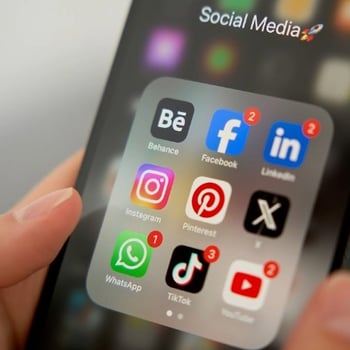 Aside from entertainment, social media plays a practical role in student life. They rely on it to quickly get answers to their questions, decide where to eat, determine which events are worth attending and what campus services are available. They know that using social media is often faster and more reliable than searching a website or waiting for an email response.
As a matter of fact, 40% of 18-24-year-olds use Instagram and TikTok instead of Google Maps to find a place to grab lunch.3
And Katie’s presentation emphasized that — as with everything else for this on-the-go generation — responsiveness and speed matter. Gen Z has limited patience, and delayed responses can make them feel like they’re being ignored. Quick, informal replies in DMs, comments or story interactions tell them that you care enough to be responsive.
In a world where so much communication feels automated, a genuine response builds trust and stands out.4
97% of consumers say authenticity is a key factor in their decision to support a brand.5
When students see their culture, preferences and voices reflected in campus experiences, social media quickly becomes a tool that crafts belonging.
 Harnessing the influencer mindset of Gen Z with peer-to-peer marketing seemed like a logical next step for Sodexo’s marketing teams. Launching messaging campaigns using an affiliate marketing model has turned into an easily scalable and highly successful method to connect with and empower students in a way that feels natural to them.
 When institutions use data to listen, respond and improve, students notice. And when students feel seen, engagement follows.
Ready to transform your social media strategy into a tool for student support and retention?